21 Century Literature : Doodle Fiction, Manga and Graphic Novel

Doodle Fiction

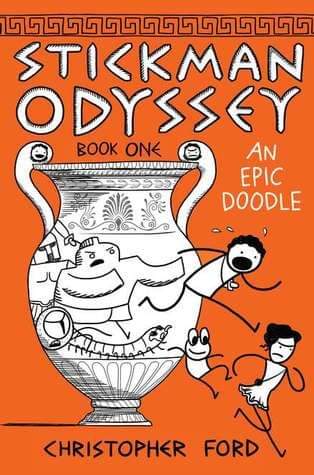
•A literary presentation where the author incorporates doodle drawings and hand written graphics in place of traditional font. Drawings enhance the story, often adding humorous elements that would be missing if the illustrations were omitted.

Example of Doodle Fiction

Manga

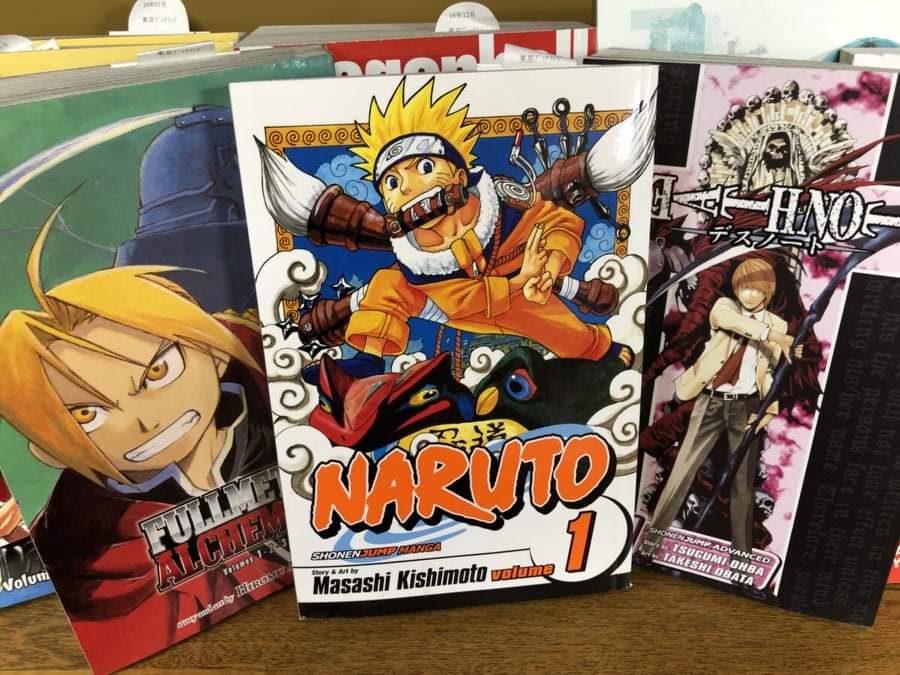
– A style of Japanese comic books and graphic novels, typically aimed at adults as well as children. Manga is a known comic book that originated from Japan back to the 12th and 13th centuries and was named in 1798 by Santō Kyoden’s Shiki no Yukikai. It is usually black and white in color unlike the american comic books that are full of colors. But then, colored prints are sometimes used, only for special releases. Manga has its own elements, structures and types that make it more unique and interesting.

Elements of Manga

  1. Picture– serves as manga’s expression.
  2. Words– voice of the characters.
  3. Speech balloon– container of the voice.
  4. Frame– container of the picture and the content.

STRUCTURE OF MANGA

  1. Panels,graphics and symbols that indicates movement and sound, tactile qualities, and emotional states of the characters.
  2. Graphic onomatopoeia that expresses auditory and tactile information.
  3. Qualities of texture and non-linguistic graphic symbols that represents the characters’ movements.
  4. Speech balloons that develop dialogues.
  5. Variation of panels in size, shape, and number that creates a literacy effect of a grammatical block analogous to a conventional sentence.

Example of Manga

Graphic Novel

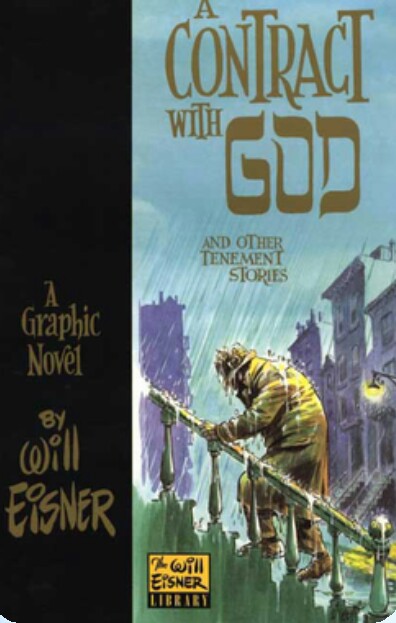
-A graphic novel is a book made up of comics content. Although the word “novel” normally refers to long fictional works, the term “graphic novel” is applied broadly and includes fiction, non-fiction, and anthologized work. Graphic novel is a full length science fiction or fantasy story that published as a book in as comic book strip format. That was according to the Oxford English Dictionary. Many Resources included originated the term with publication of graphic novel in 1978.

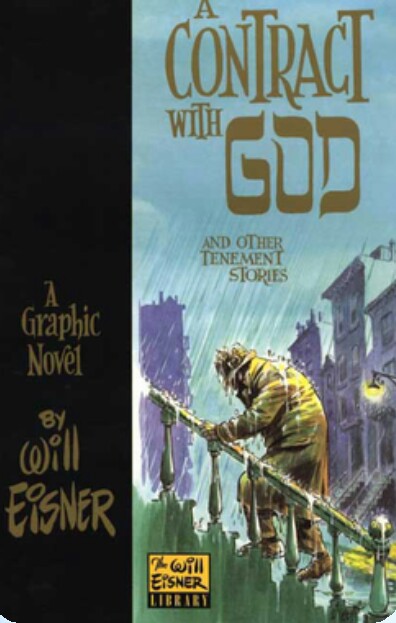
Example of Graphic Novel

A Contract with God by Will Eisner

Similarities and Differences of Graphic Novel, Manga and Doodle Fiction

DIFFERENCES IN TERMS OF STRUCTURE

  • Manga have titles that are not fully translated into English.
  • Graphic Novel is employed in broadly manner, Manga has artistic and story telling style while Doodle Fiction tends to be humorous.

DIFFERENCES IN TERMS OF ELEMENTS

  • Doodle Fiction incorporates doodle writings, drawings and handwritten graphics in traditional font unlike Manga and Graphic Novel that convey story through comic form.

SIMILARITIES

  • Uses images such as drawings to present the story.
  • All have its unique structures, elements and styles to attract attention of readers.

21st Century Literature: Graphic Novel, Manga ang Doodle Fiction

Graphic Novel

-A graphic novel is a book made up of comics content. Although the word “novel” normally refers to long fictional works, the term “graphic novel” is applied broadly and includes fiction, non-fiction, and anthologized work. Graphic novel is a full length science fiction or fantasy story that published as a book in as comic book strip format. That was according to the Oxford English Dictionary. Many Resources included originated the term with publication of graphic novel in 1978.

Example of Graphic Novel

A Contract With God by Will Eisner

Manga

– A style of Japanese comic books and graphic novels, typically aimed at adults as well as children. Manga is a known comic book that originated from Japan back to the 12th and 13th centuries and was named in 1798 by Santō Kyoden’s Shiki no Yukikai. It is usually black and white in color unlike the american comic books that are full of colors. But then, colored prints are sometimes used, only for special releases. Manga has its own elements, structures and types that make it more unique and interesting.

Elements of Manga

  1. Picture– serves as manga’s expression.
  2. Words– voice of the characters.
  3. Speech balloon– container of the voice.
  4. Frame– container of the picture and the content.

STRUCTURE OF MANGA

  1. Panels,graphics and symbols that indicates movement and sound, tactile qualities, and emotional states of the characters.
  2. Graphic onomatopoeia that expresses auditory and tactile information.
  3. Qualities of texture and non-linguistic graphic symbols that represents the characters’ movements.
  4. Speech balloons that develop dialogues.
  5. Variation of panels in size, shape, and number that creates a literacy effect of a grammatical block analogous to a conventional sentence.

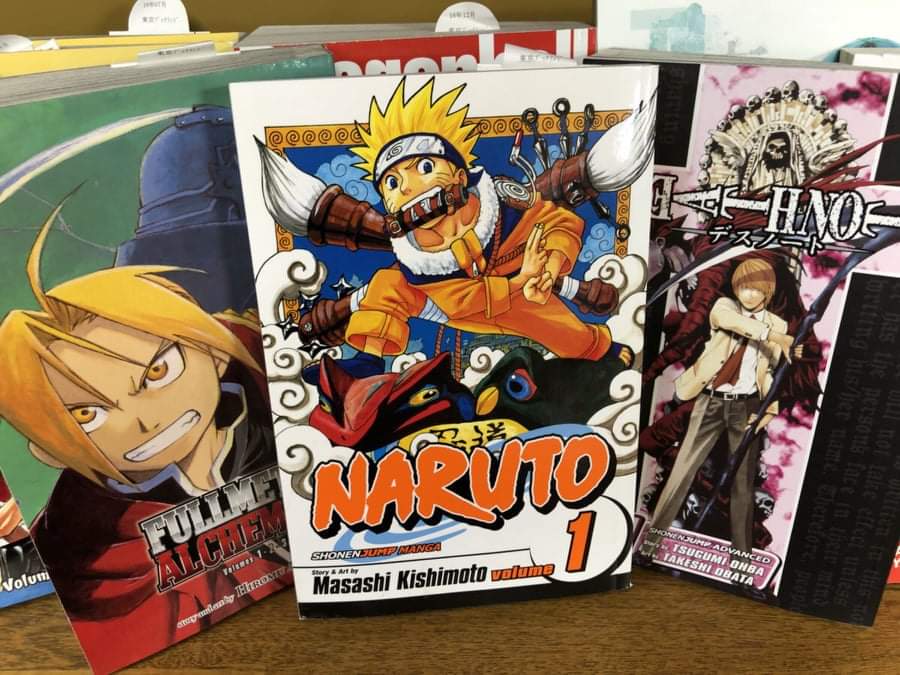
Example of manga

Doodle Fiction

•A literary presentation where the author incorporates doodle drawings and hand written graphics in place of traditional font. Drawings enhance the story, often adding humorous elements that would be missing if the illustrations were omitted.

Example of Doodle Fiction

Introduce Yourself (Example Post)

This is an example post, originally published as part of Blogging University. Enroll in one of our ten programs, and start your blog right.

You’re going to publish a post today. Don’t worry about how your blog looks. Don’t worry if you haven’t given it a name yet, or you’re feeling overwhelmed. Just click the “New Post” button, and tell us why you’re here.

Why do this?

  • Because it gives new readers context. What are you about? Why should they read your blog?
  • Because it will help you focus your own ideas about your blog and what you’d like to do with it.

The post can be short or long, a personal intro to your life or a bloggy mission statement, a manifesto for the future or a simple outline of your the types of things you hope to publish.

To help you get started, here are a few questions:

  • Why are you blogging publicly, rather than keeping a personal journal?
  • What topics do you think you’ll write about?
  • Who would you love to connect with via your blog?
  • If you blog successfully throughout the next year, what would you hope to have accomplished?

You’re not locked into any of this; one of the wonderful things about blogs is how they constantly evolve as we learn, grow, and interact with one another — but it’s good to know where and why you started, and articulating your goals may just give you a few other post ideas.

Can’t think how to get started? Just write the first thing that pops into your head. Anne Lamott, author of a book on writing we love, says that you need to give yourself permission to write a “crappy first draft”. Anne makes a great point — just start writing, and worry about editing it later.

When you’re ready to publish, give your post three to five tags that describe your blog’s focus — writing, photography, fiction, parenting, food, cars, movies, sports, whatever. These tags will help others who care about your topics find you in the Reader. Make sure one of the tags is “zerotohero,” so other new bloggers can find you, too.

Introduce Yourself (Example Post)

This is an example post, originally published as part of Blogging University. Enroll in one of our ten programs, and start your blog right.

You’re going to publish a post today. Don’t worry about how your blog looks. Don’t worry if you haven’t given it a name yet, or you’re feeling overwhelmed. Just click the “New Post” button, and tell us why you’re here.

Why do this?

  • Because it gives new readers context. What are you about? Why should they read your blog?
  • Because it will help you focus your own ideas about your blog and what you’d like to do with it.

The post can be short or long, a personal intro to your life or a bloggy mission statement, a manifesto for the future or a simple outline of your the types of things you hope to publish.

To help you get started, here are a few questions:

  • Why are you blogging publicly, rather than keeping a personal journal?
  • What topics do you think you’ll write about?
  • Who would you love to connect with via your blog?
  • If you blog successfully throughout the next year, what would you hope to have accomplished?

You’re not locked into any of this; one of the wonderful things about blogs is how they constantly evolve as we learn, grow, and interact with one another — but it’s good to know where and why you started, and articulating your goals may just give you a few other post ideas.

Can’t think how to get started? Just write the first thing that pops into your head. Anne Lamott, author of a book on writing we love, says that you need to give yourself permission to write a “crappy first draft”. Anne makes a great point — just start writing, and worry about editing it later.

When you’re ready to publish, give your post three to five tags that describe your blog’s focus — writing, photography, fiction, parenting, food, cars, movies, sports, whatever. These tags will help others who care about your topics find you in the Reader. Make sure one of the tags is “zerotohero,” so other new bloggers can find you, too.
Introduce Yourself (Example Post)

This is an example post, originally published as part of Blogging University. Enroll in one of our ten programs, and start your blog right.

You’re going to publish a post today. Don’t worry about how your blog looks. Don’t worry if you haven’t given it a name yet, or you’re feeling overwhelmed. Just click the “New Post” button, and tell us why you’re here.

Why do this?

  • Because it gives new readers context. What are you about? Why should they read your blog?
  • Because it will help you focus your own ideas about your blog and what you’d like to do with it.

The post can be short or long, a personal intro to your life or a bloggy mission statement, a manifesto for the future or a simple outline of your the types of things you hope to publish.

To help you get started, here are a few questions:

  • Why are you blogging publicly, rather than keeping a personal journal?
  • What topics do you think you’ll write about?
  • Who would you love to connect with via your blog?
  • If you blog successfully throughout the next year, what would you hope to have accomplished?

You’re not locked into any of this; one of the wonderful things about blogs is how they constantly evolve as we learn, grow, and interact with one another — but it’s good to know where and why you started, and articulating your goals may just give you a few other post ideas.

Can’t think how to get started? Just write the first thing that pops into your head. Anne Lamott, author of a book on writing we love, says that you need to give yourself permission to write a “crappy first draft”. Anne makes a great point — just start writing, and worry about editing it later.

When you’re ready to publish, give your post three to five tags that describe your blog’s focus — writing, photography, fiction, parenting, food, cars, movies, sports, whatever. These tags will help others who care about your topics find you in the Reader. Make sure one of the tags is “zerotohero,” so other new bloggers can find you, too.
Design a site like this with WordPress.com
Get started